New Year - Garden Transformation
The New Year is a time to embrace change.
The festivities are behind us, and it’s the perfect opportunity for a fresh start.
While January may seem like an unlikely time to think about your garden, it is actually an ideal moment to step back and start planning for the year ahead.
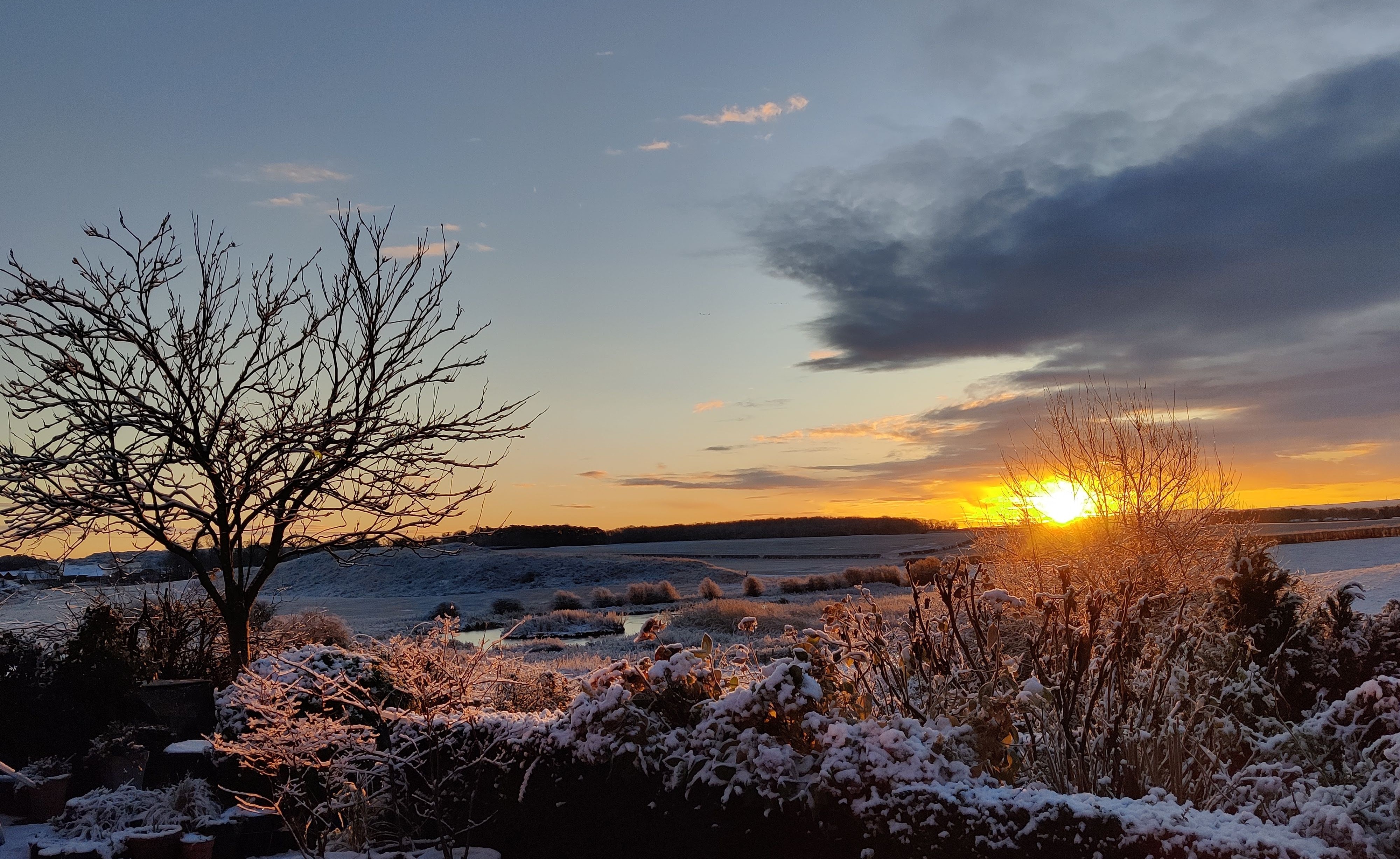
At this time of year, the garden reveals its true bones and structure, without the distraction of summer planting.
This makes it much easier to assess the space and decide whether it is really working for you.
If it isn’t, now is the time to ask why.
Below are some common garden problems, along with practical tips and ideas to help you address them.
Is Your Garden Overgrown and Unruly?
Do you know what plants you have in your garden and how to care for them properly?
A good starting point is to identify each plant and research how and when it should be pruned.
Simple tasks such as cutting hedges and shaping shrubs can make a remarkable difference.
Don’t be afraid to edit out plants you don’t like, don’t want, or simply have too many of.
Giving the remaining plants more space will allow them to perform better and look healthier.
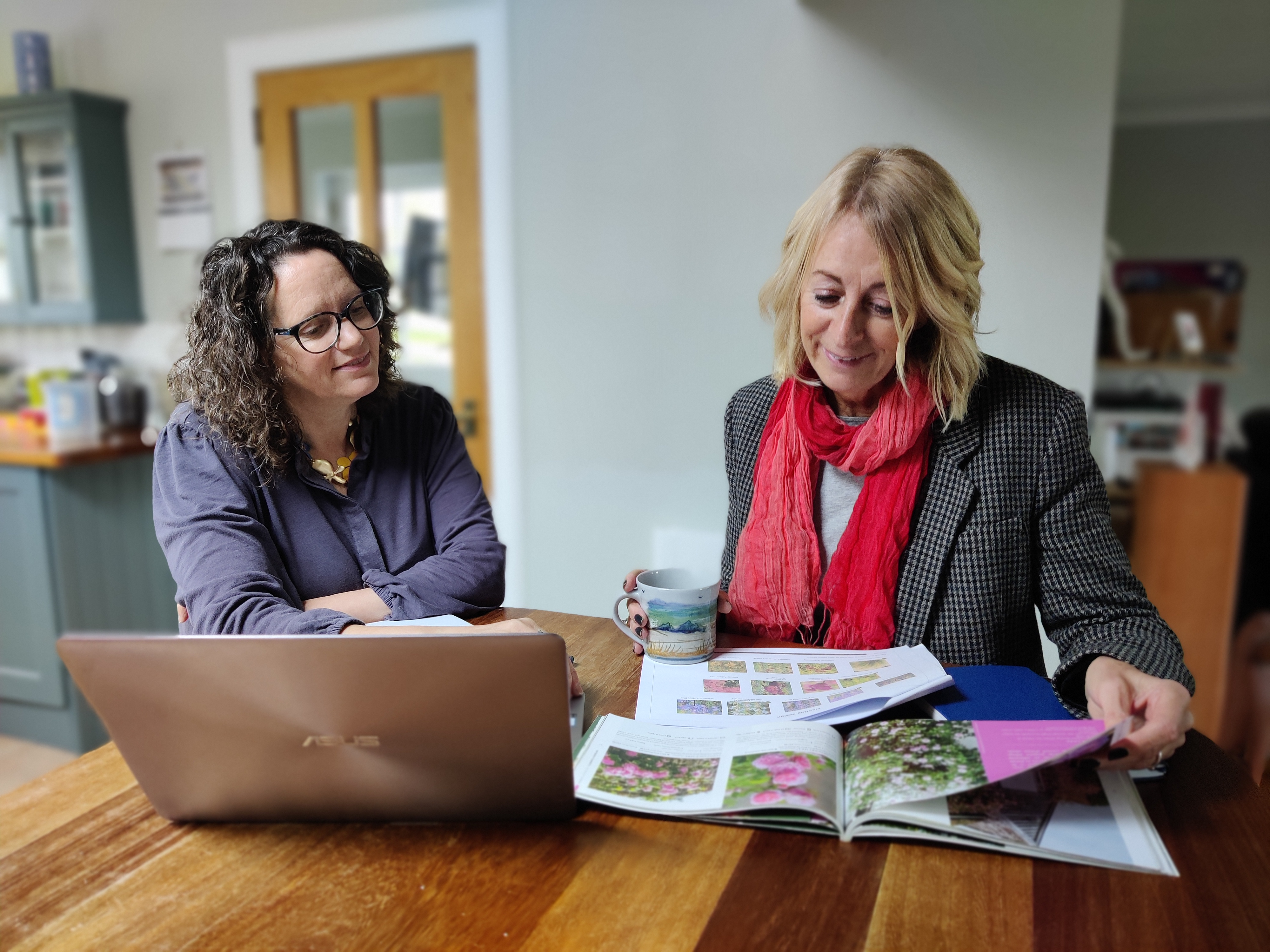
If this feels overwhelming, you can always book a garden consultation with an expert.
A professional can help you decide what to keep and what to remove, and offer practical advice on how to maintain your garden with confidence.
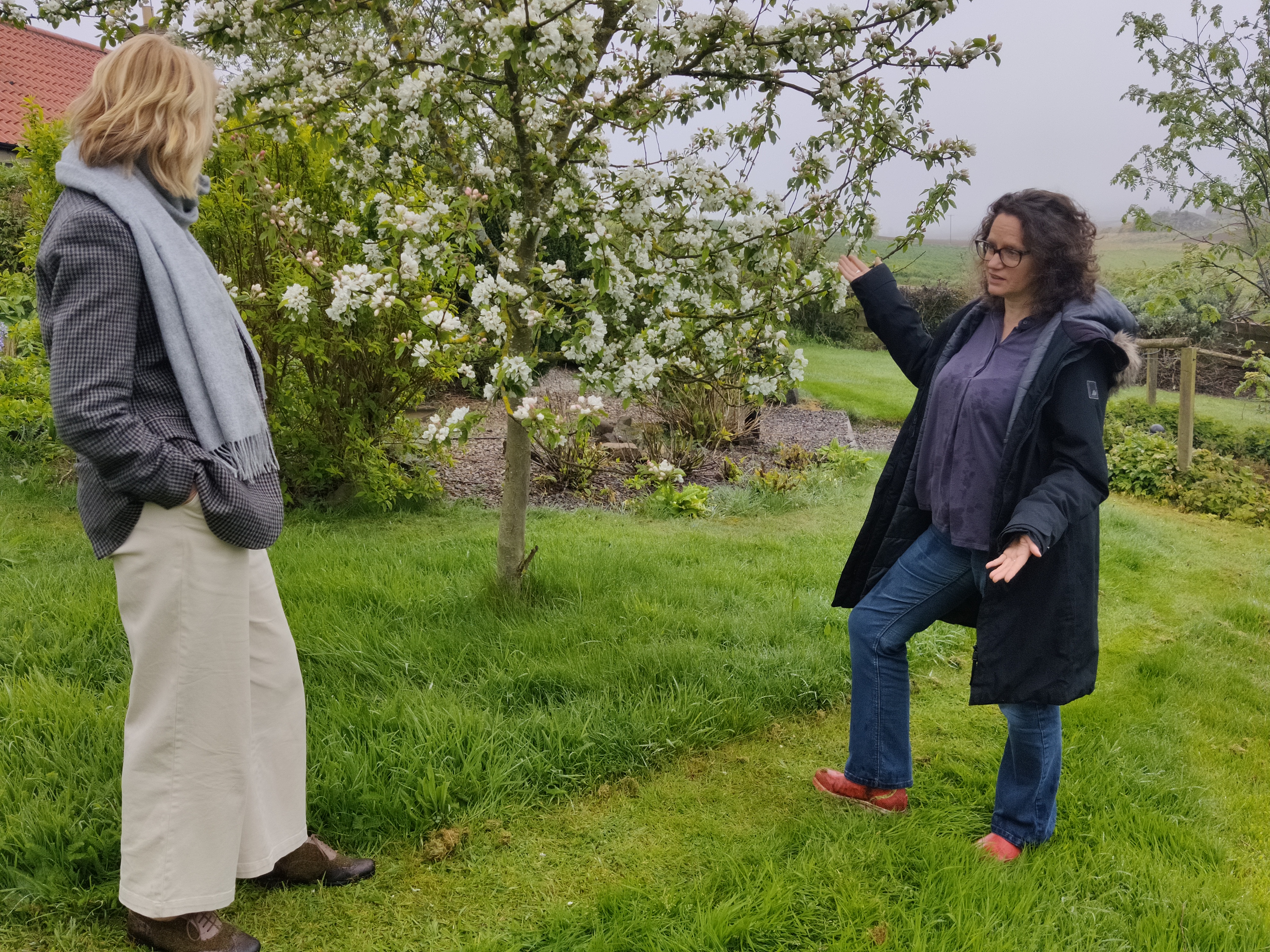 Garden consultation with Anna
Are Your Borders Working?
We’ve all been tempted by beautiful flowering plants at the garden centre.
Unfortunately, this can lead to impulsive purchases and borders that feel chaotic.
Too many colours, too many shapes, everything flowering at once, and then very little interest later in the year.
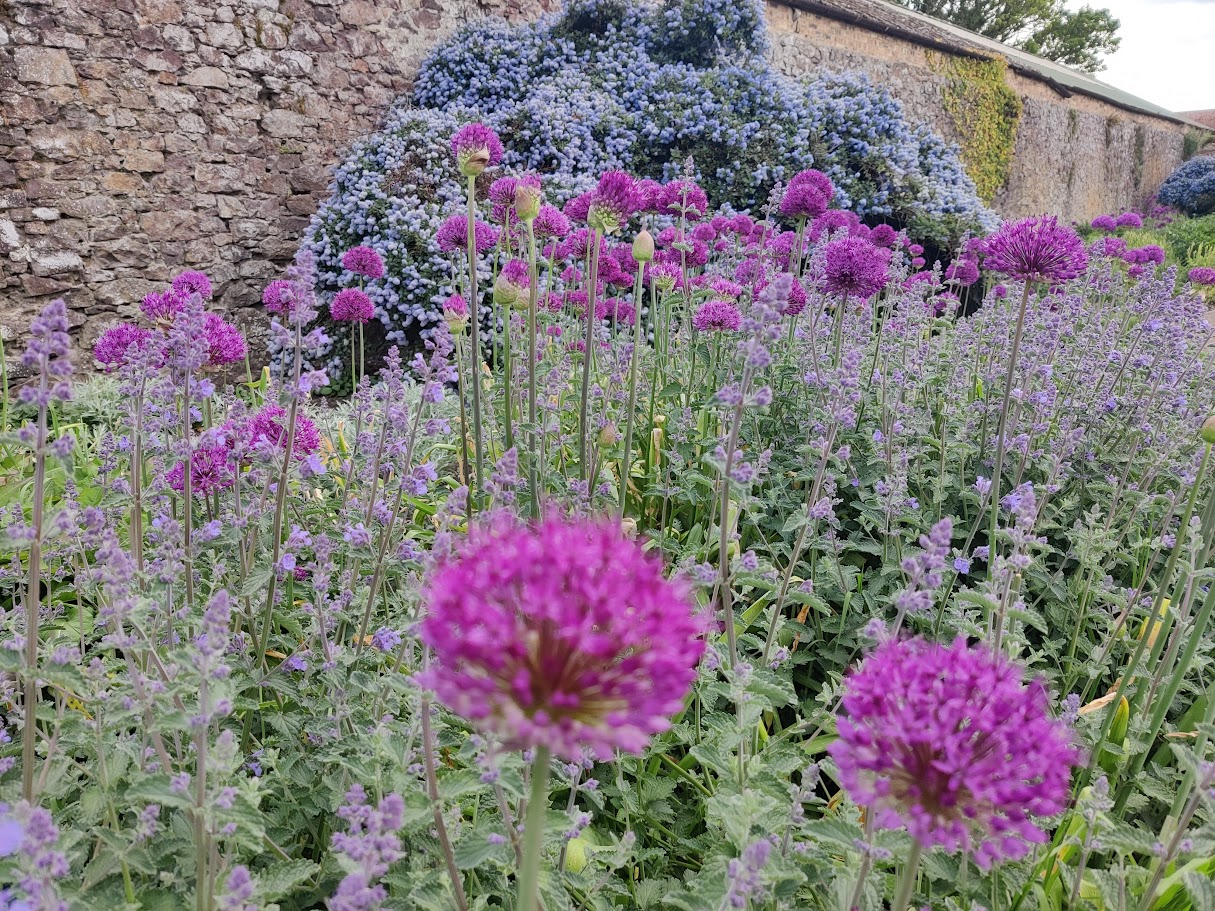
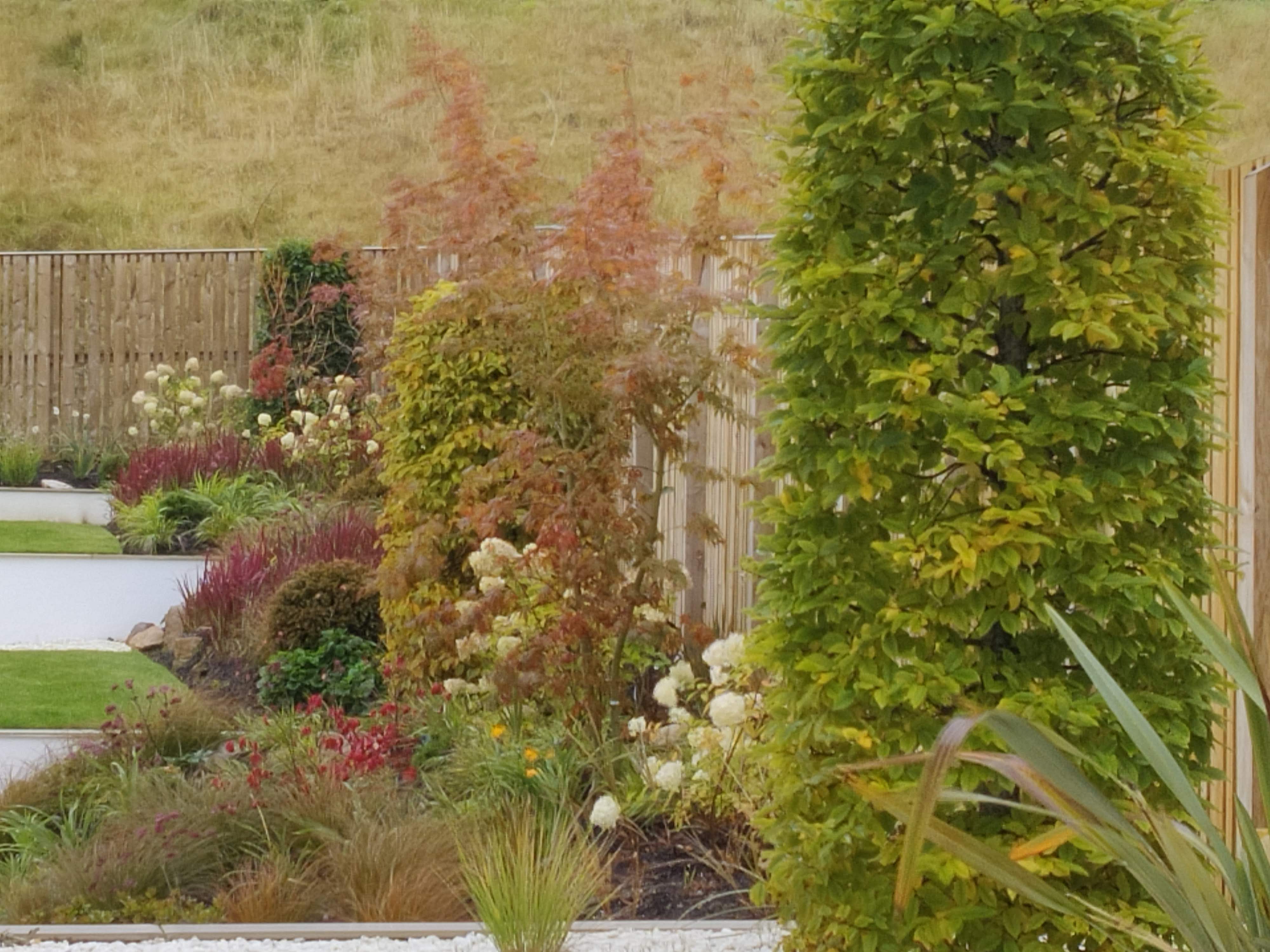
Garden designers often work with a limited planting palette and repeat key plants throughout the space.
This creates unity, rhythm, and a sense of style. Much like an artist composing a painting, plants are carefully chosen to create an overall picture.
If your garden feels busy or disjointed, thoughtfully editing your plant choices can help achieve a more balanced and cohesive look.
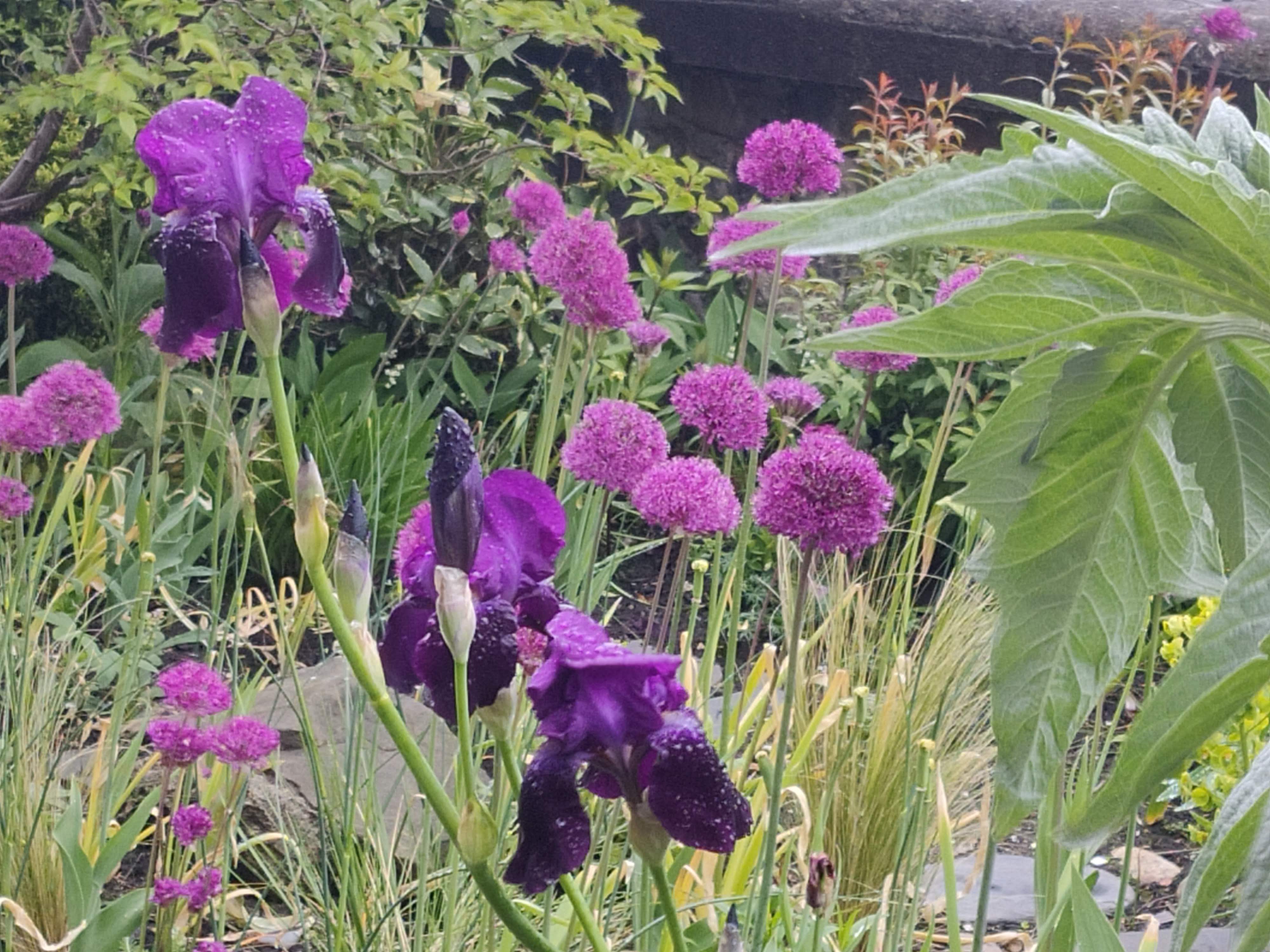
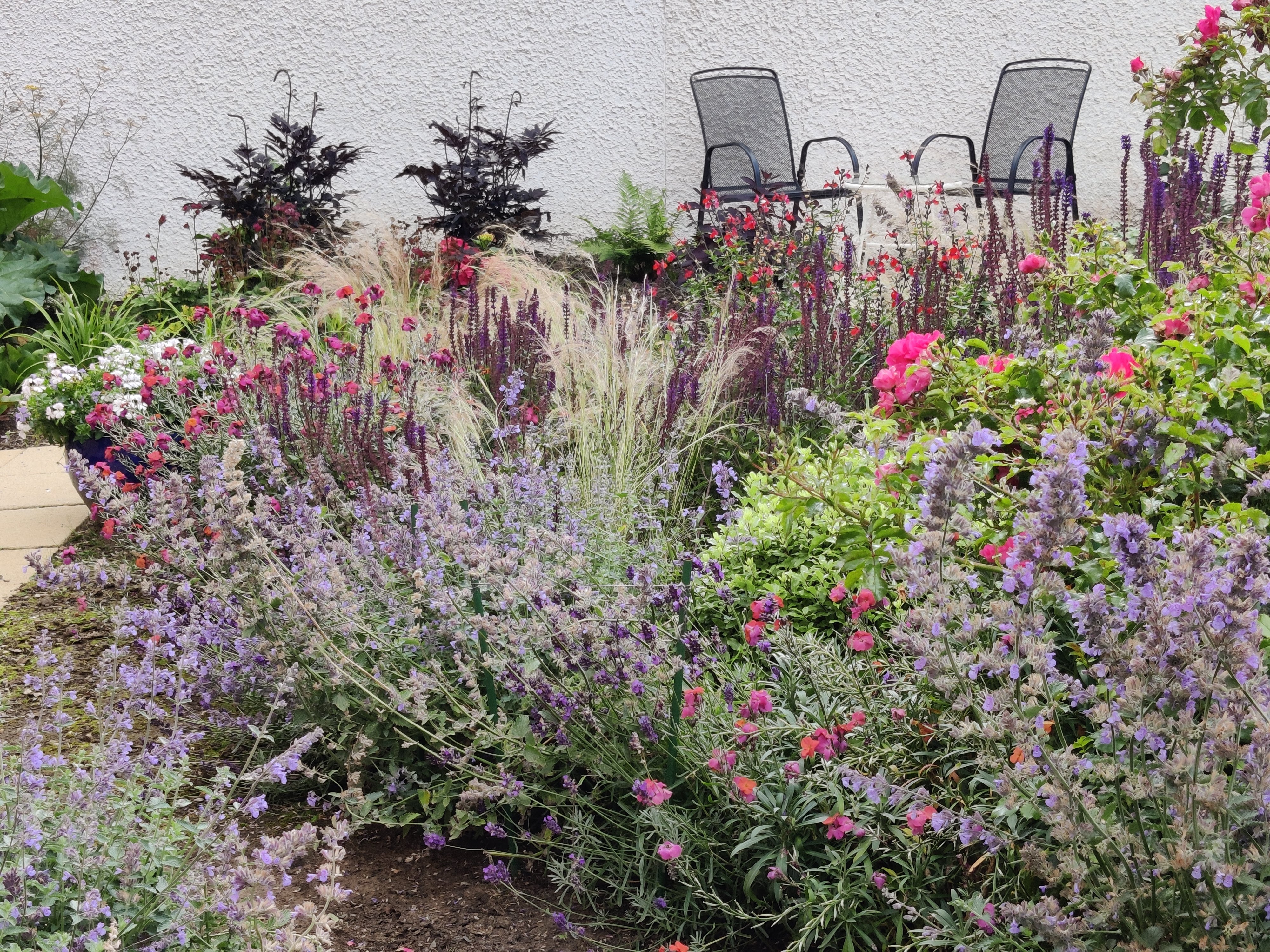 Designed planting surrounding a seating area
Is Your Garden Too Bland or Lacking Seasonal Interest?
If your garden lacks interest at certain times of the year, look closely at the available space and any gaps in your planting.
Choose plants that perform well during the quieter seasons, such as evergreens, and winter flowering plants like hellebores, add bulbs which can provide interest from late winter through to summer.
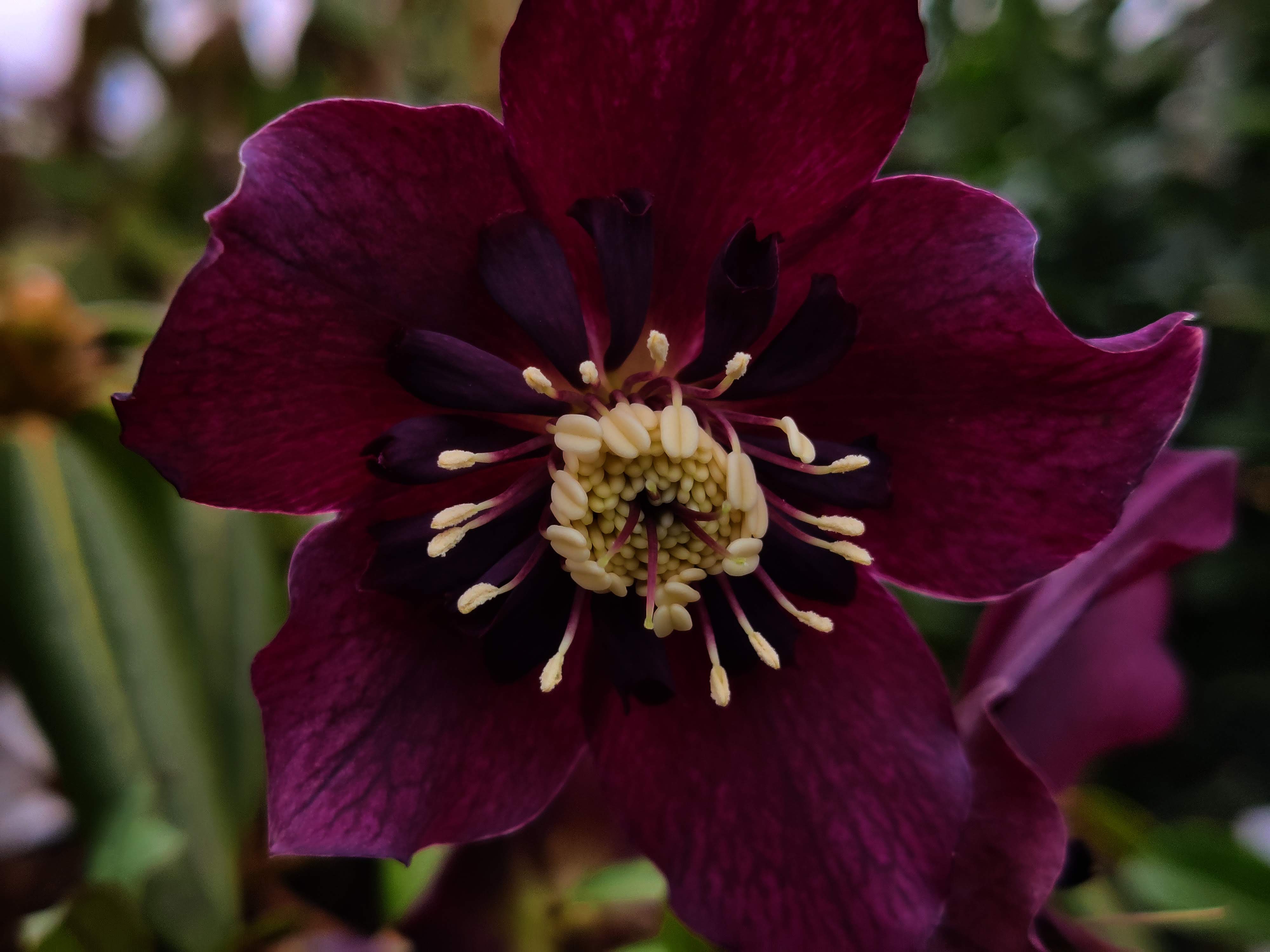 Hellebore’Metalic Lady’
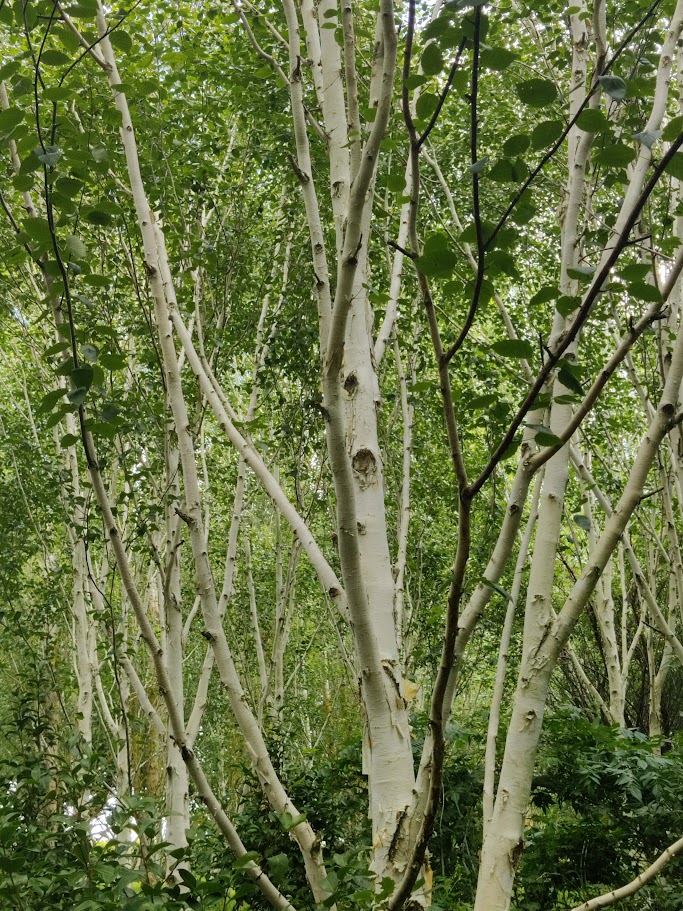
If the garden feels too sparse, consider adding borders or introducing a small tree to create vertical interest.
Raised beds are also an excellent way to add extra planting space while helping to define different areas of the garden.
For example, they can be used to separate a play area from a seating space, effectively zoning the garden for different uses.
Planting borders around a seating area can help you feel more immersed in the garden, bringing flowers closer so you can enjoy their detail and watch pollinators at work as you relax.
Are Your Views Dominated by a Bare Fence?
Did you know that concealing your boundaries can actually make your garden feel larger?
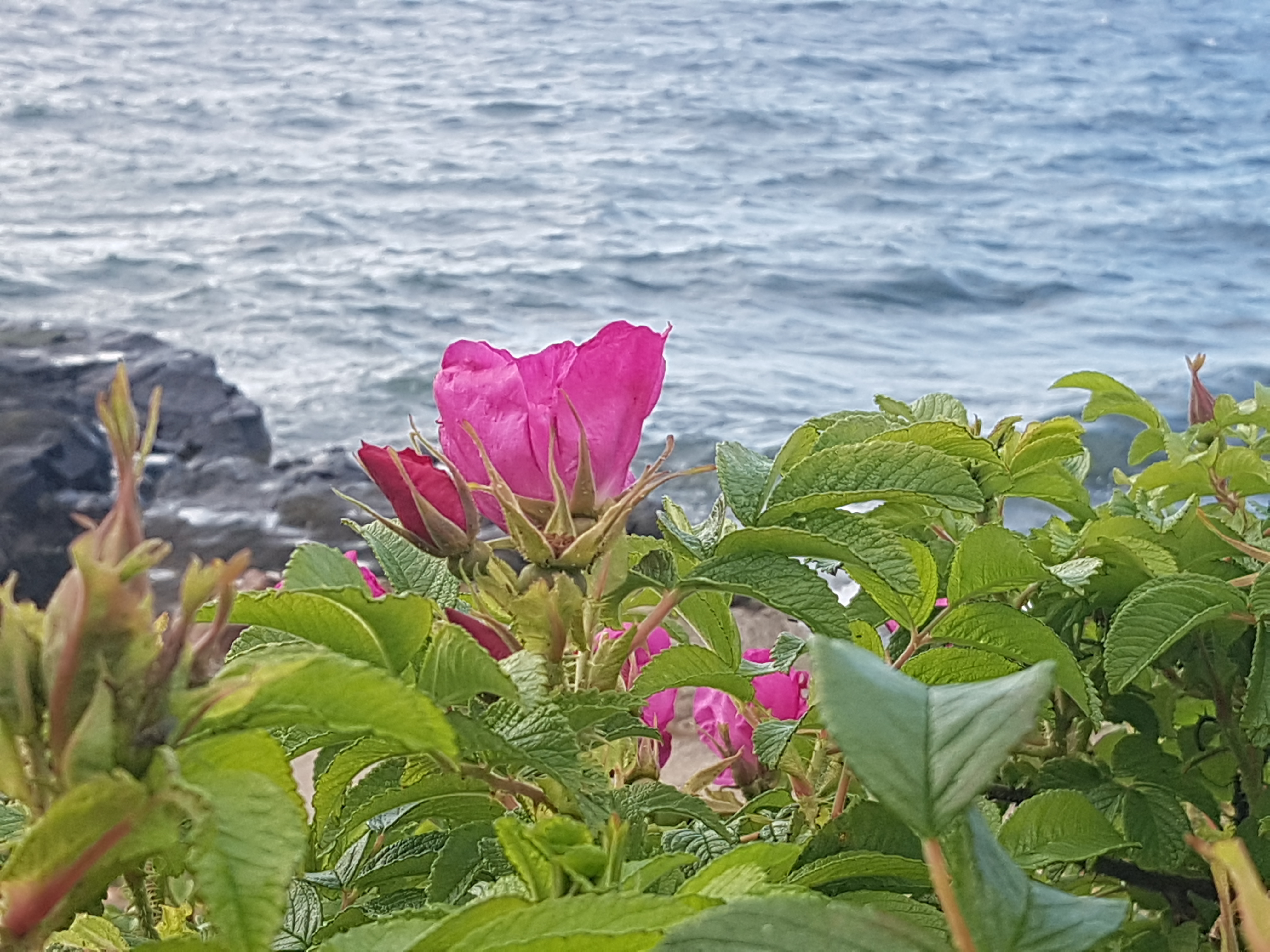
Training climbers along fences softens hard lines and adds an extra layer of planting, bringing depth and visual interest to the space.
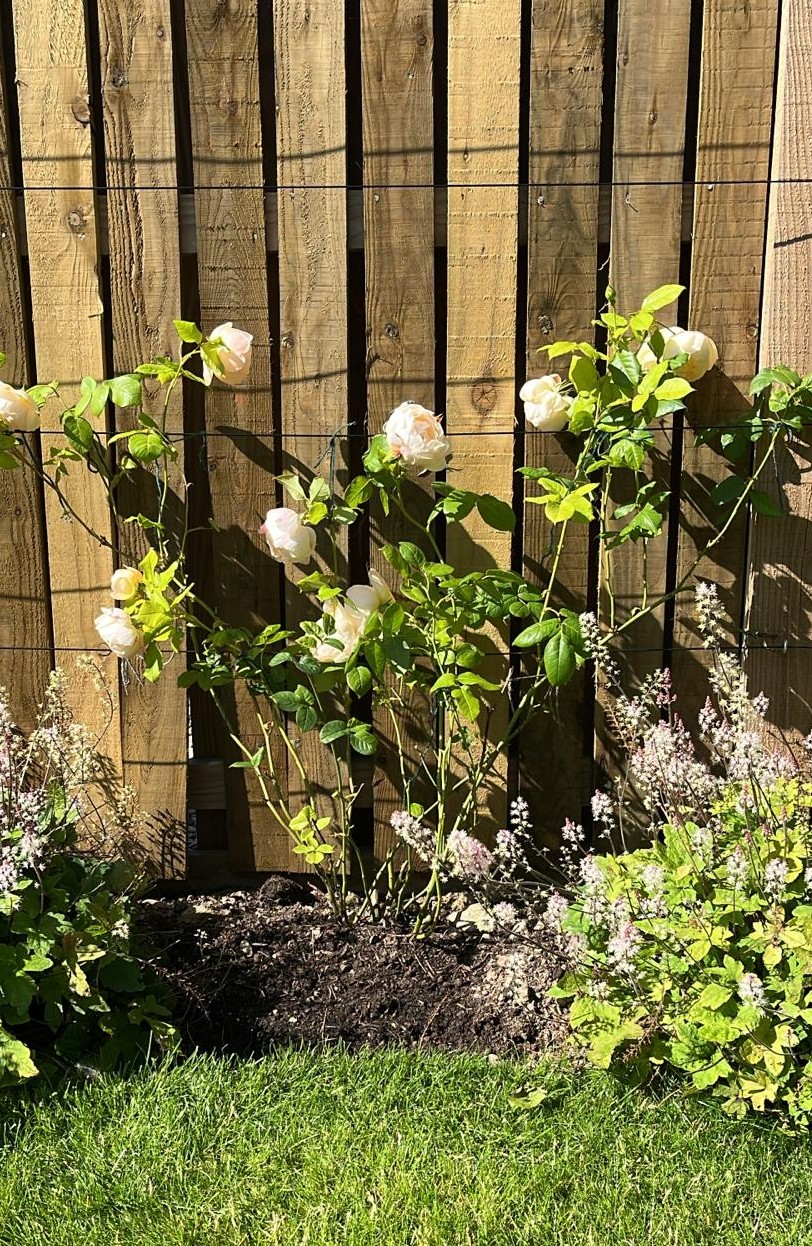 Climbing Rose on fence - Rosa ‘Claire Austin’
Are Your Plants Struggling?
If your plants aren’t thriving, they may be in the wrong location or the soil may need improvement.
Stressed plants are also more vulnerable to pests and diseases.
Identifying each plant and understanding the conditions it prefers, such as light, soil type, and moisture, will help you improve its performance.
In some cases, relocating a plant may be the best solution. This is usually best done while the plant is dormant.
Do You Feel Overlooked by Neighbouring Properties?
Privacy is a common concern in many gardens, and there are plenty of ways to address it.
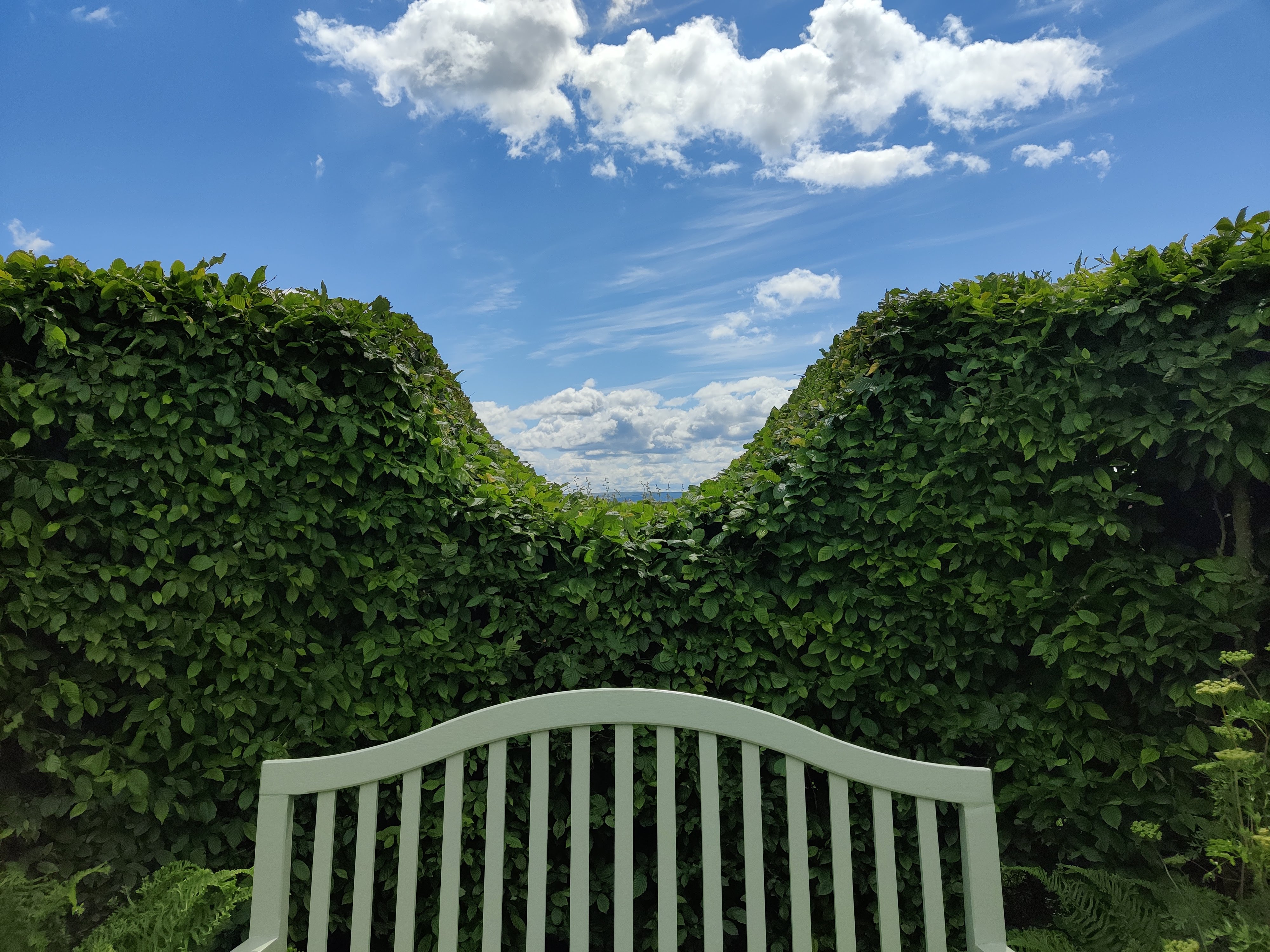
Carefully placed trees, pleached hedging, fence toppers, or a covered seating area can all help reduce the feeling of being overlooked.
With thoughtful design, it is possible to create a garden that feels enclosed and welcoming, without sacrificing light or space.
What Should You Do with Garden Clutter?
Most gardens have items we would rather not see, such as bins, compost areas, and garden buildings.
The key is to hide them as discreetly as possible. Simple solutions include placing tools behind a shed or using hedging, evergreen shrubs, or screens to conceal bins, compost heaps, or unused pots.
Thinking carefully about where clutter is stored allows you to create hidden areas that keep your garden looking tidy and intentional.
January is an excellent time to start planning your garden.
If you would like help making your outdoor space work better for you, why not begin with a consultation
Investing in your garden with the expertise of a garden designer can transform not only your garden, but also the way you live.