Trees For Small Gardens
When planning a new garden with limited space, it’s easy to assume there simply isn’t room for a tree or that a tree will cast too much shade.
In reality, there are many beautiful trees that thrive in Scotland and are well suited to smaller gardens.
The key is careful selection.
Most gardens can accommodate a tree.
It is about choosing the right one for the space and positioning it thoughtfully.
If you are unsure which tree is appropriate for your garden, this guide will help you make an informed decision.
The Benefits of Trees in a Garden
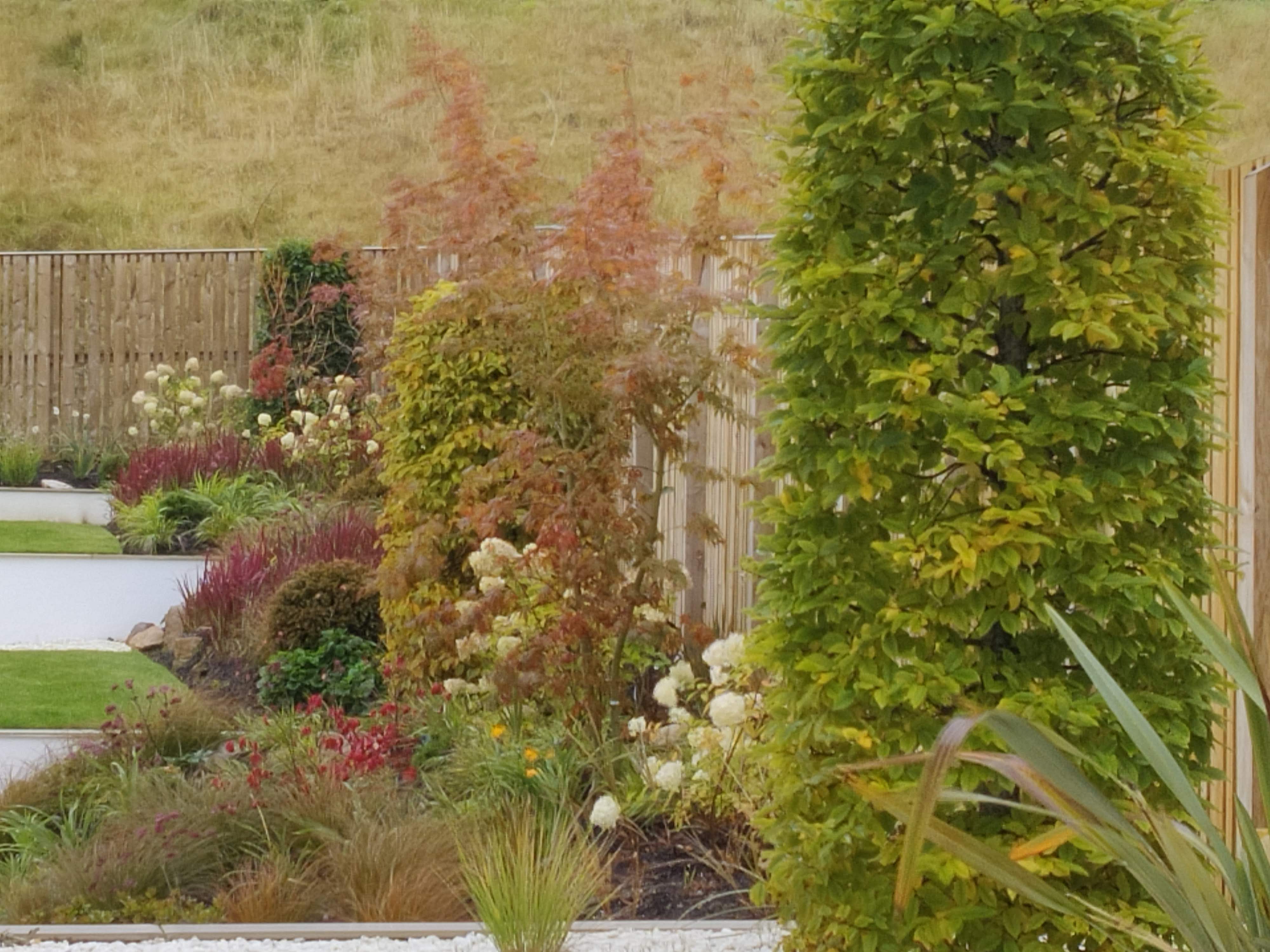
Trees introduce vertical interest, an essential element of well-considered garden design. They allow planting to be layered, with trees and shrubs followed by perennials, bulbs and ground cover. This creates depth, richness and year-round interest.
A tree’s height is particularly effective at softening boundaries and can make a garden feel larger than it really is.
When positioned carefully, trees can also provide privacy, screen neighbouring buildings or disguise unsightly views.
Trees make excellent focal points, so their position should be chosen deliberately to support the overall design of the garden.
In new gardens, planting a tree helps the space settle more quickly. While it is not instant impact, selecting a good-sized specimen can anchor the design and help the garden feel established sooner.
Trees also offer long seasons of interest.
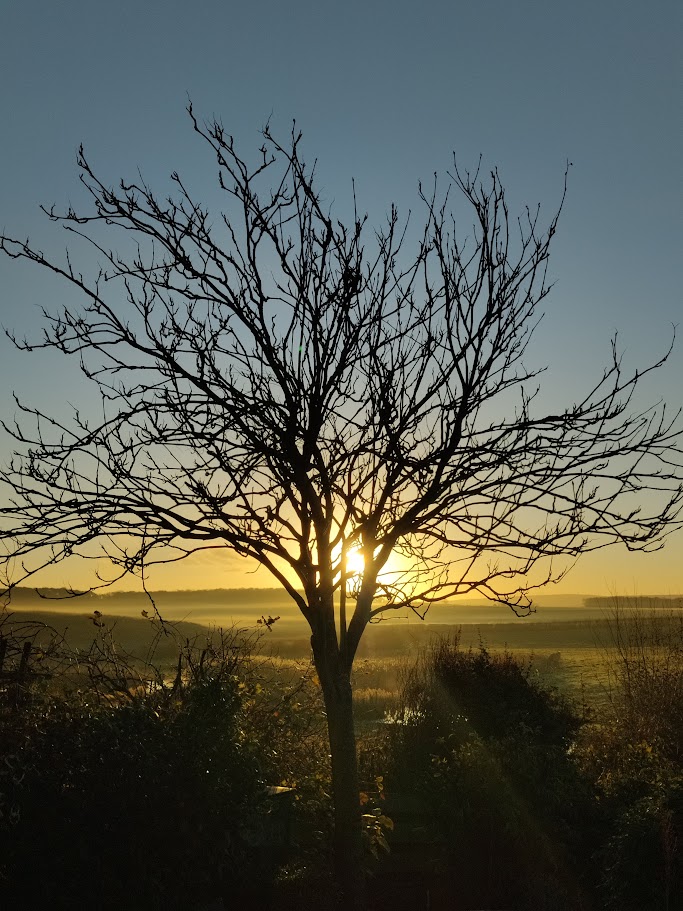
Deciduous trees, even when bare in winter, reveal beautiful structure and silhouette, clearly marking the changing seasons.
Trees are invaluable for wildlife. If you enjoy seeing birds in your garden, planting trees, particularly those with blossom and berries, will significantly increase biodiversity and bring more life into the space.
Is It a Tree or a Shrub?
The main difference is that a tree has a clear trunk that branches some distance above ground level, while shrubs tend to branch from much lower down.
In practice, the distinction is not always clear, as some shrubs grow very large and function much like small trees.
Some mature shrubs can be trained to look more tree-like by lifting the canopy and exposing the stems.
Ultimately, the definition matters less than understanding the plant’s mature height and spread, which is crucial when planning for long-term success in a smaller garden.
Tree Shapes and Forms
Trees come in a wide range of shapes and forms, and not all are tall or wide. The natural habit of a tree, along with propagation methods and pruning, will determine its overall appearance.
Weeping trees
These have branches that fall towards the ground, such as Salix caprea ‘Kilmarnock’.
Columnar and fastigiate trees
These are ideal where space is tight or where screening is required.
Fastigiate trees have branches that grow upright, parallel to the trunk, while columnar trees have short branches held close to the main stem.
Examples include Prunus ‘Amanogawa’ and Taxus baccata ‘Fastigiata’.
Round or globe-shaped trees
These are naturally rounded forms that require little pruning, such as Malus ‘Magdeburgensis’.
Multi-stemmed trees
Often created through pruning during propagation, multi-stemmed trees have a strong sculptural quality and are popular in contemporary garden design.
Other forms can be created through pruning, including pleached, box-headed and parasol trees. These require ongoing maintenance but can be very effective.
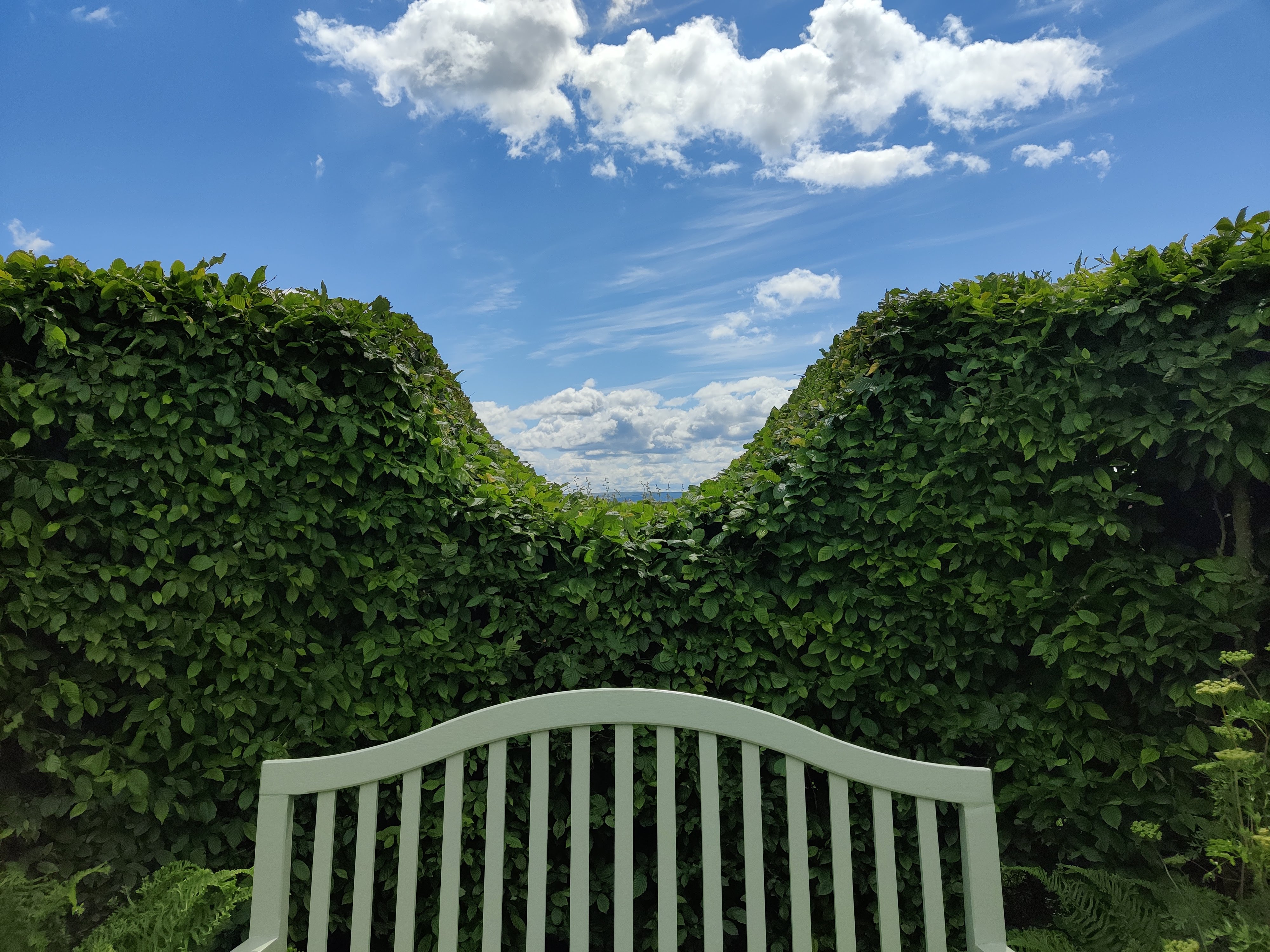
Pleached trees are particularly useful for screening and privacy. Box-headed trees create architectural structure and can be used to zone different areas of the garden.
Parasol trees are useful where shade is required.
Evergreen or deciduous?
A mix is usually best.
Deciduous trees offer greater seasonal interest, while evergreens provide structure in winter.
Too many evergreens can result in a garden that feels uninspiring.
Planting Trees
Choosing and Buying Trees
Trees are sold in many forms, from whips and saplings to semi-mature specimens.
There are Industry standards for purchasing a tree which professionals use to specify trees so they receive the exact size, form and quality.
If you are selecting a tree yourself rather than working with a garden designer, visit a reputable nursery and view the tree in situ.
Read labels carefully to understand its ultimate size and growth rate.
Proper research is essential to avoid planting something that will outgrow its space and cause problems in the future.
Trees are available either bare-root or container-grown.
Bare-root trees must be planted on arrival and are only available during the winter dormant season.
Container-grown trees can be planted throughout the year, although spring and autumn offer the best conditions.
Watering is critical during the establishment period and may be required for up to two years.
Many trees will also need staking to ensure they grow upright and develop a strong root system
Where to Plant
The correct position will depend on the species and the role the tree plays in the garden.
Shelter is an important consideration.
For example; Acers dislike wind and require a protected location.
Always allow for the tree’s mature spread and avoid planting too close to boundaries or buildings.
Consider sun patterns, the shade the tree will eventually create and prevailing winds.
In more exposed gardens, select species that can tolerate those conditions.
Anna’s Top Trees for Small Gardens
Sorbus (Rowan)
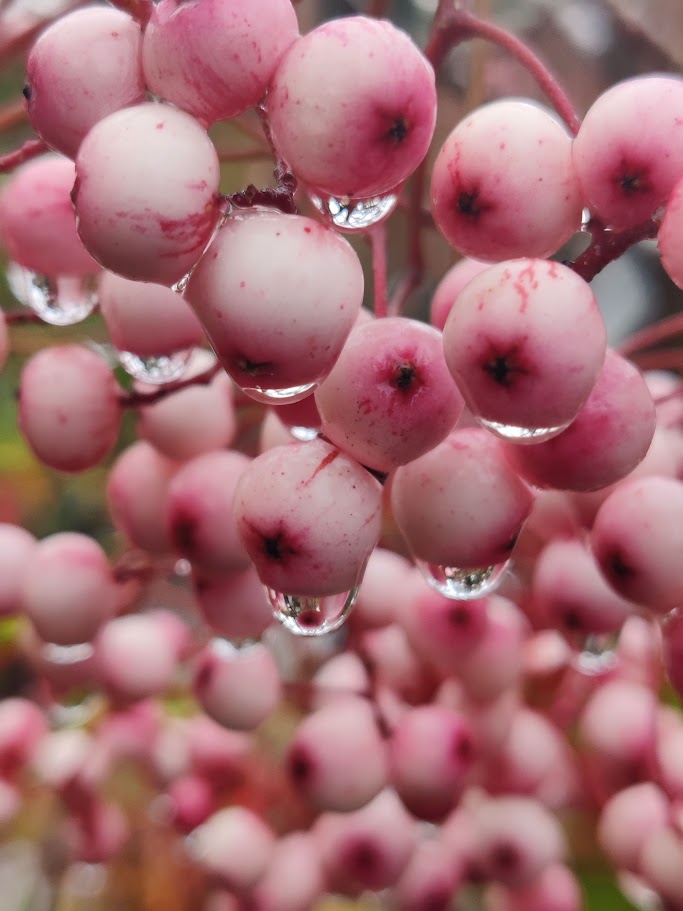
Excellent for small gardens, with a wide range of berry colours and strong seasonal interest.
Loved by wildlife.
Sorbus ‘Joseph Rock’ is a narrow form with striking yellow berries.
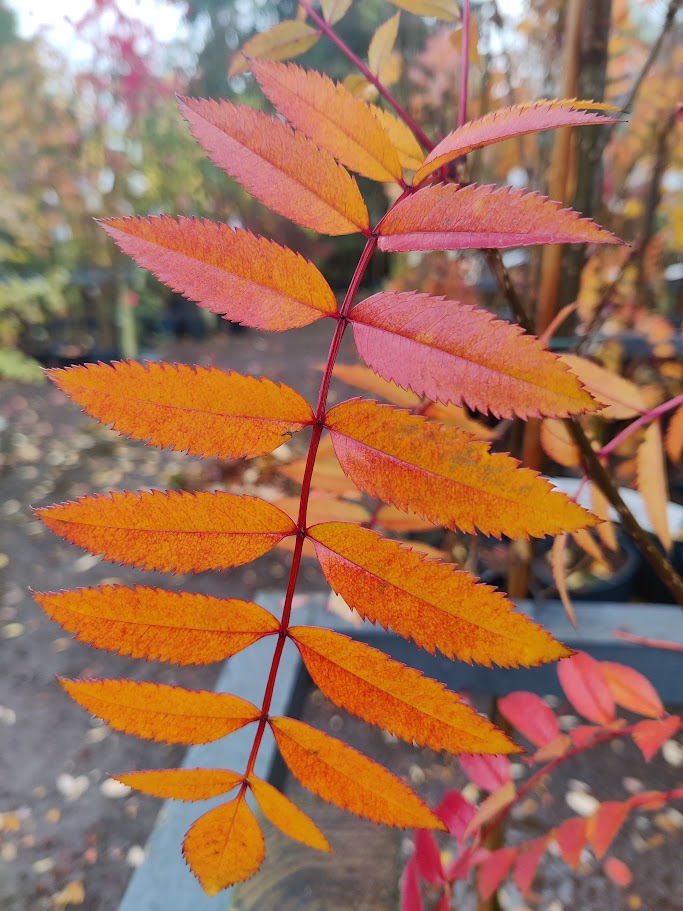 *Sorbus autumn colour *
Malus ‘Evereste’
A crab apple with beautiful white blossom and an abundance of fruit in the autumn, making it good for wildlife value.
Tough trees which will tolerance a wide range of conditions.
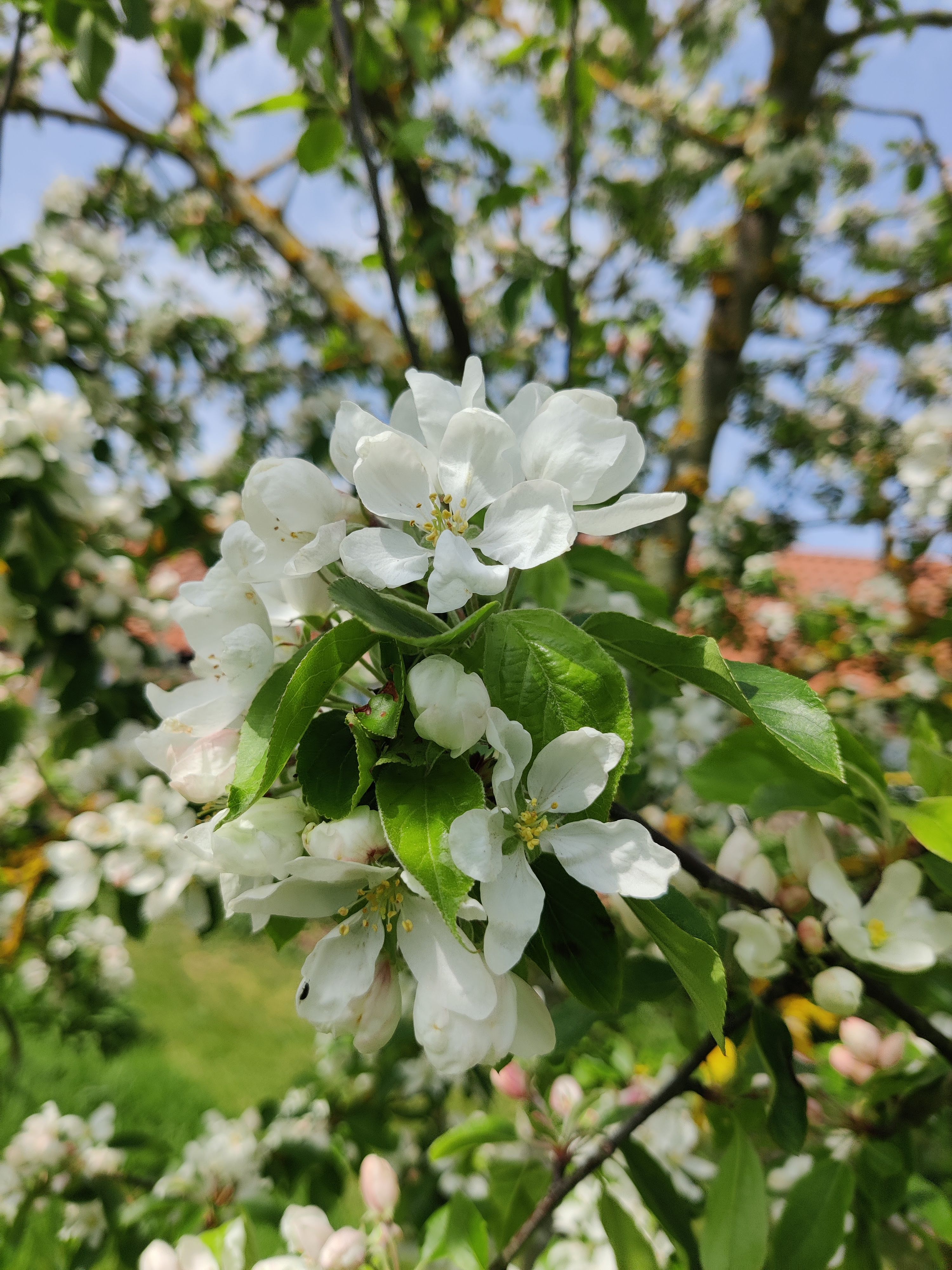 Crab apple tree blossom in spring
Amelanchier ‘Robin Hill’
Pink blossom, copper foliage and berries. Also known as serviceberry.
Reliable in damp or windy conditions.
Acer griseum
Outstanding peeling bark that stands out in winter, combined with exceptional autumn colour.
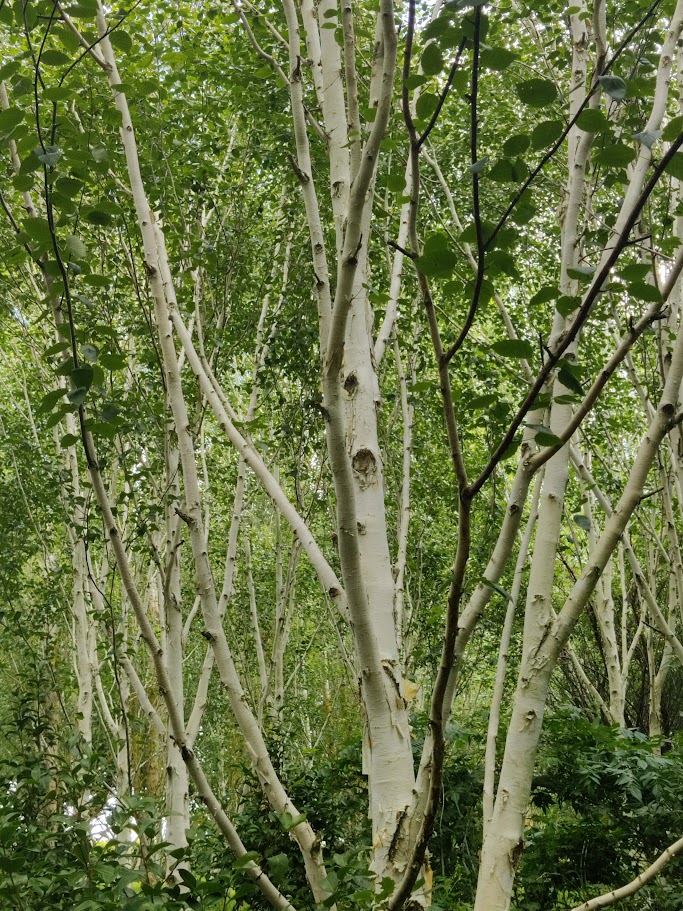
Betula jacquemontii (multi-stemmed)
Vibrant white bark and a light, dappled canopy.
Prunus ‘Amanogawa’
A very narrow flowering cherry with soft pink blossom, ideal for tight spaces.
Cornus kousa ‘China Girl’
A beautiful flowering tree with late spring to early summer interest.
Prunus lusiticana
Evergreen with dark red shoots and white fragrant flowers.
Good for topiary.
Time for trees
Lets hope I have inspired you to plant a tree in your garden.