Spring Forward with Bulbs
As winter fades and spring arrives, we begin to look forward to longer days and more time outdoors.
It is always a pleasure to see a garden come back to life.
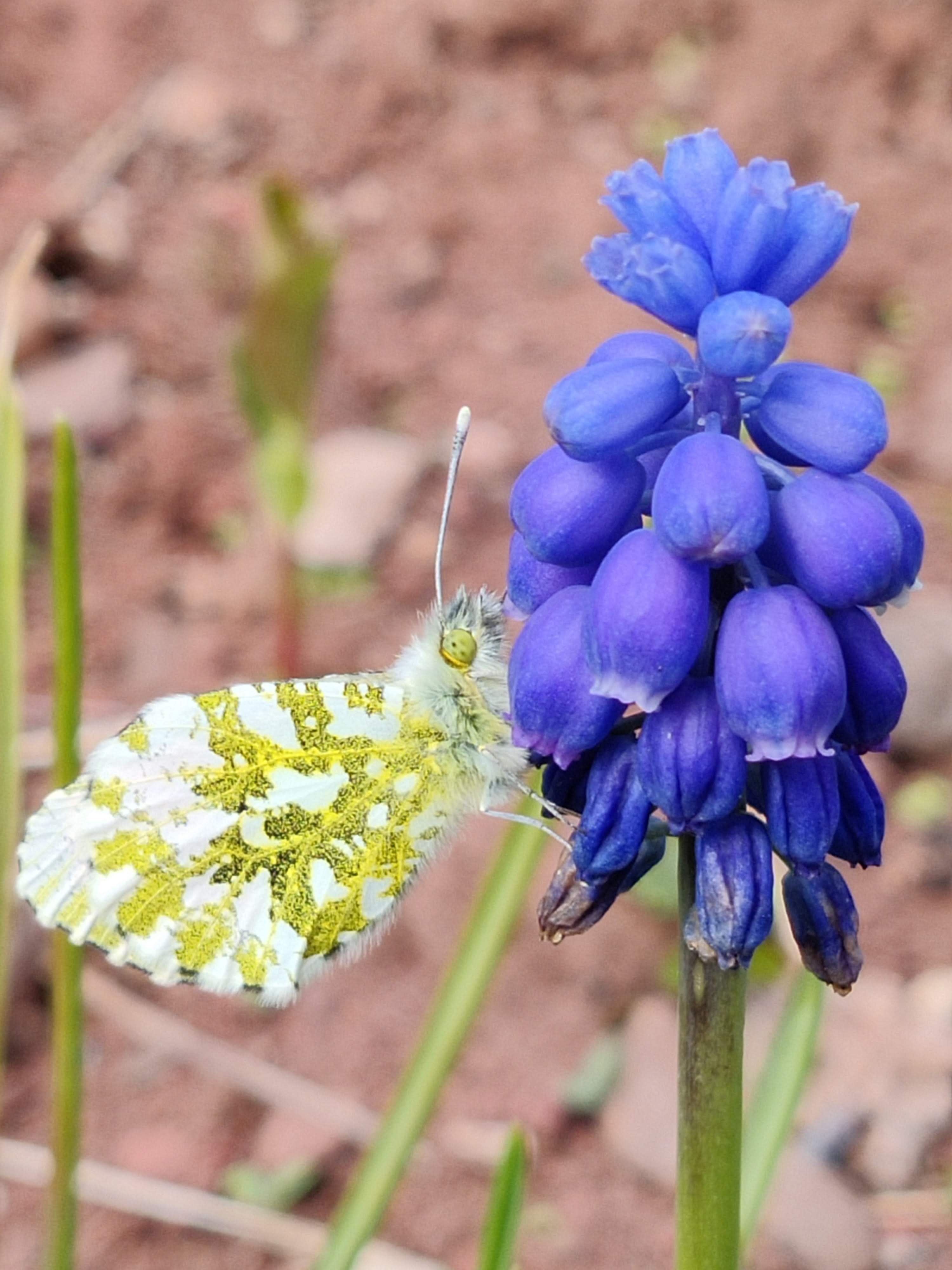 Moth feeding on muscari
Yet many gardens drift quietly into spring rather than making a confident seasonal statement.
Often this is not about size or budget, but about planning.
A lack of early season structure can leave borders feeling flat until summer planting takes over.
Spring is the ideal time to assess your garden honestly and identify where impact is missing.
Planning for Spring Impact
Bulbs are one of the most effective ways to bridge the gap between late winter and early summer. However, spring is not the time to plant them.
It is the time to observe, photograph your borders and plan with intention.
Most spring flowering bulbs are planted in autumn, from October through November, with tulips best planted slightly later into November and December.
Ordering early from specialist suppliers ensures access to the best cultivars and allows for a considered approach to colour, height and flowering sequence.
In my design work, bulb selection is never an afterthought.
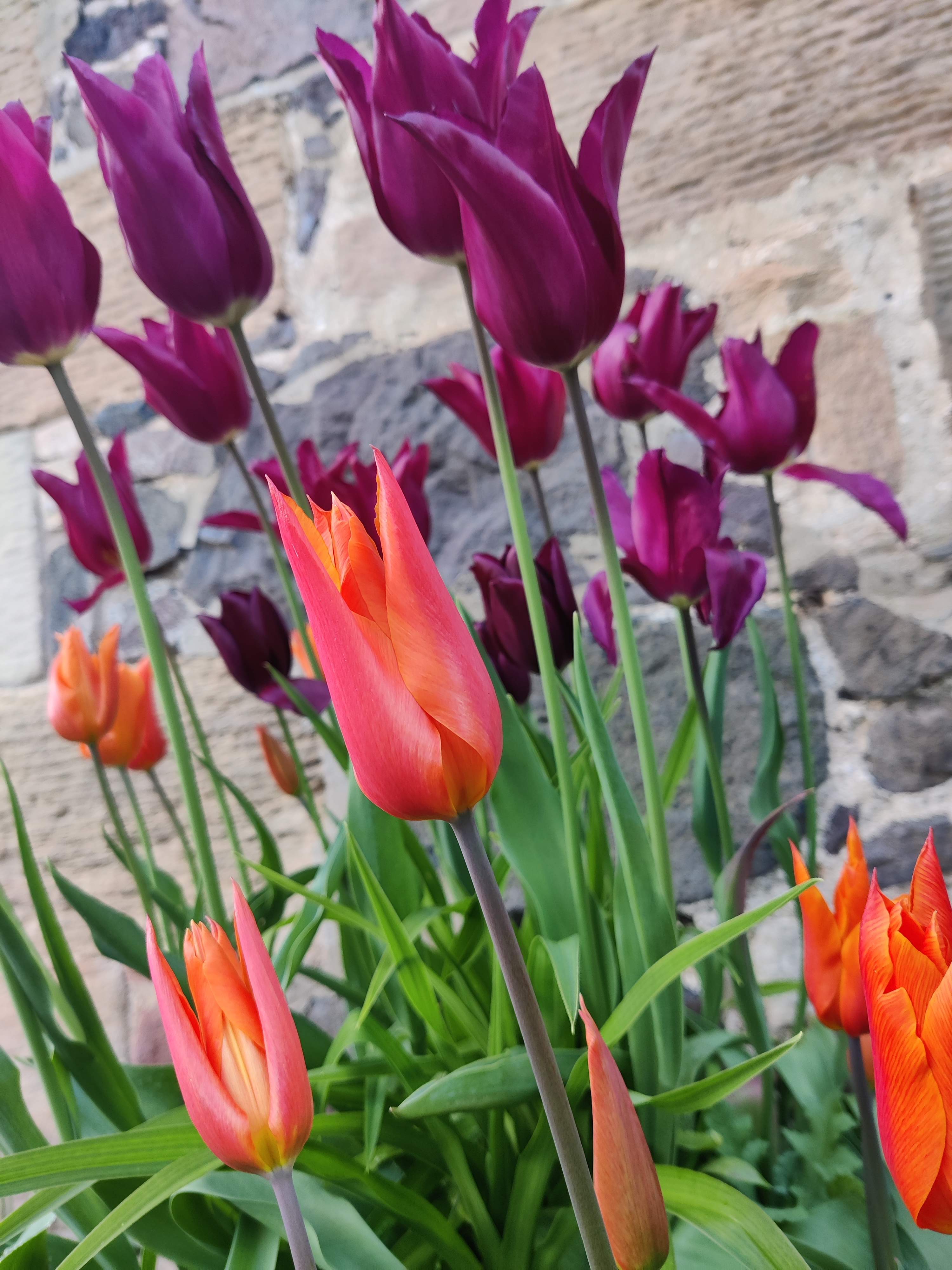 Tulip display
It is about understanding how a garden unfolds through the seasons and placing bulbs where they enhance structure rather than compete with it.
Some bulbs, such as tulips, give their best display for only a few years and may need replacing.
Others will naturalise, gradually weaving themselves into the planting and creating a softer, more established character over time.
Bulbs can be integrated into borders, naturalised into grass, or used in containers for controlled seasonal displays.
Layering bulbs in pots allows for successive flowering and is particularly useful in smaller urban gardens where every detail matters.
As a rough guide, plant bulbs at a depth of two to three times their size, ensuring the basal plate sits at the base.
If in doubt, plant slightly deeper rather than too shallow.
Why Spring Bulbs Are Essential in Scottish Gardens
In Scotland, where winters can feel long and slow to release their grip, spring bulbs are invaluable.
They provide early structure and colour at a time when most herbaceous planting is only just emerging.
Used thoughtfully, bulbs add rhythm and repetition across a garden. They can draw the eye along a pathway, soften the edge of a terrace or lift a mature border without requiring significant space.
Their versatility makes them an essential design tool rather than simply a seasonal addition.
A More Considered Approach to Daffodils
Daffodils are often dismissed as too bold or untidy.
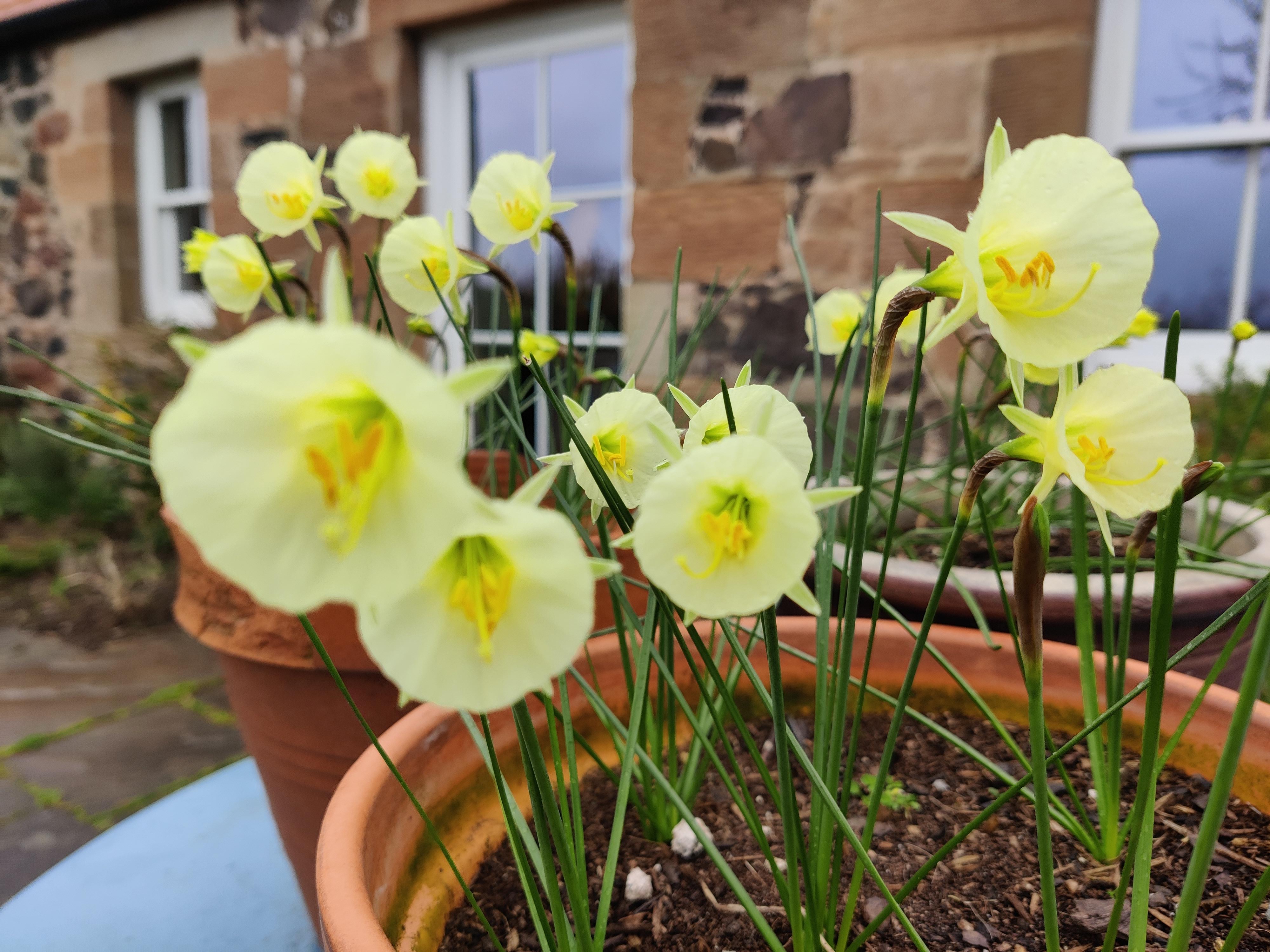 Narcissus ‘Artic Bells’
Yet the Narcissus family offers a remarkable range of refined forms. Dwarf white and cream varieties can sit beautifully within a restrained planting palette.
Narcissus ‘Elka’ is a particularly elegant and reliable choice.
When paired with early perennials such as Omphalodes ‘Cherry Ingram’, daffodils feel intentional rather than incidental.
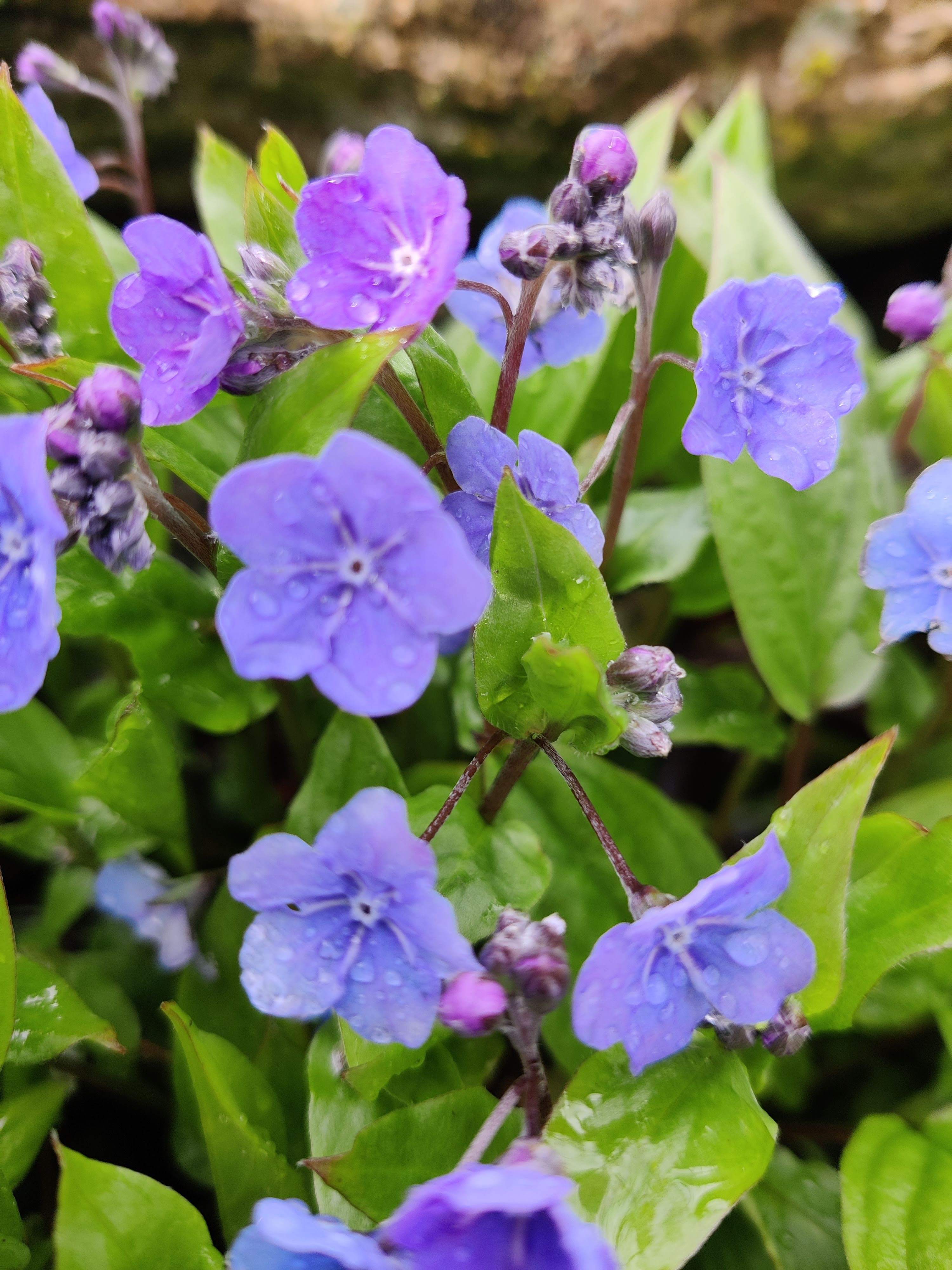 Omphalodes Cherry Ingram’
They are also resilient, standing up well to wind and resisting deer and rabbits, an important consideration in many Scottish settings.
Allow foliage to die back naturally after flowering. Premature cutting will weaken bulbs and compromise future displays.
Creating Layered Seasonal Interest
Early bulbs such as galanthus nivalis (snowdrops), crocuses and Iris reticulata bring delicate detail to the front of borders and beneath deciduous trees.
Snowdrops are best planted in the green, immediately after flowering, to encourage quicker establishment.
Anemone blue blanda forms a low carpet of blue in early spring and works well in naturalistic schemes.
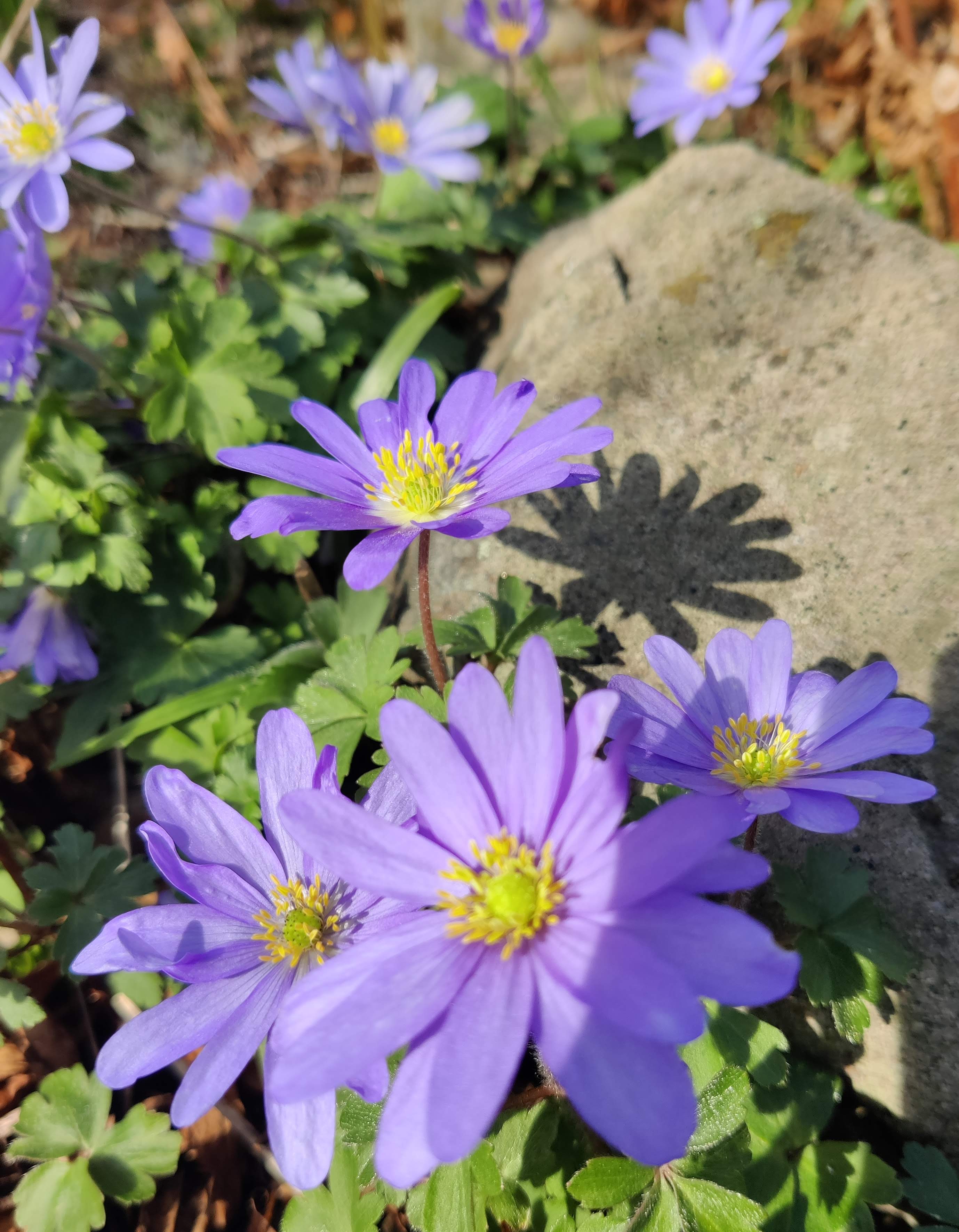 Anenome Blue Blanda
These lower growing bulbs retreat quietly as summer planting develops, ensuring the garden never feels overcrowded.
As the season progresses, narcissus, tulips and fritillaries provide stronger vertical emphasis.
Limiting colour combinations and selecting varieties that flower simultaneously creates a more cohesive effect, particularly in containers or formal settings.
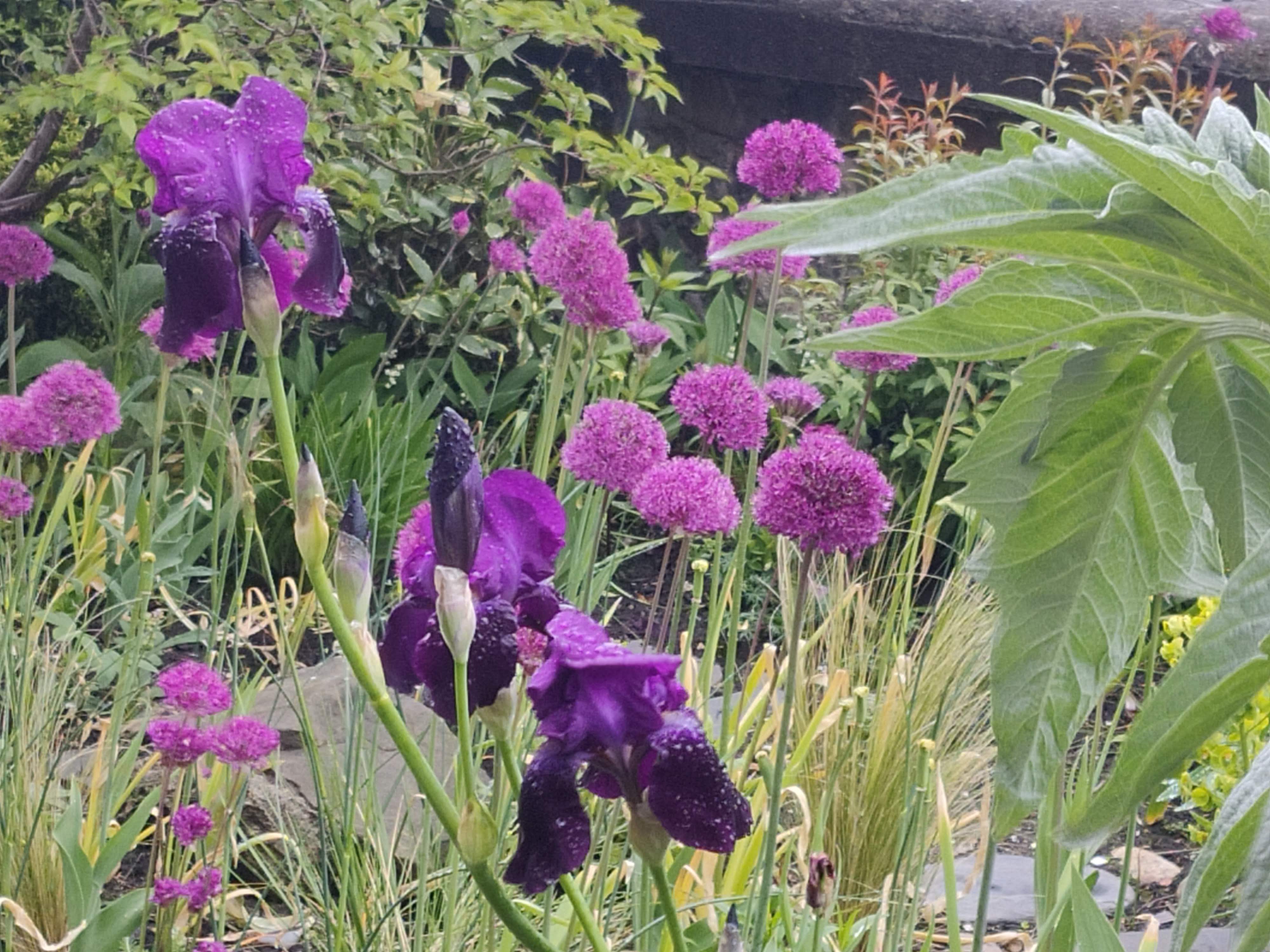
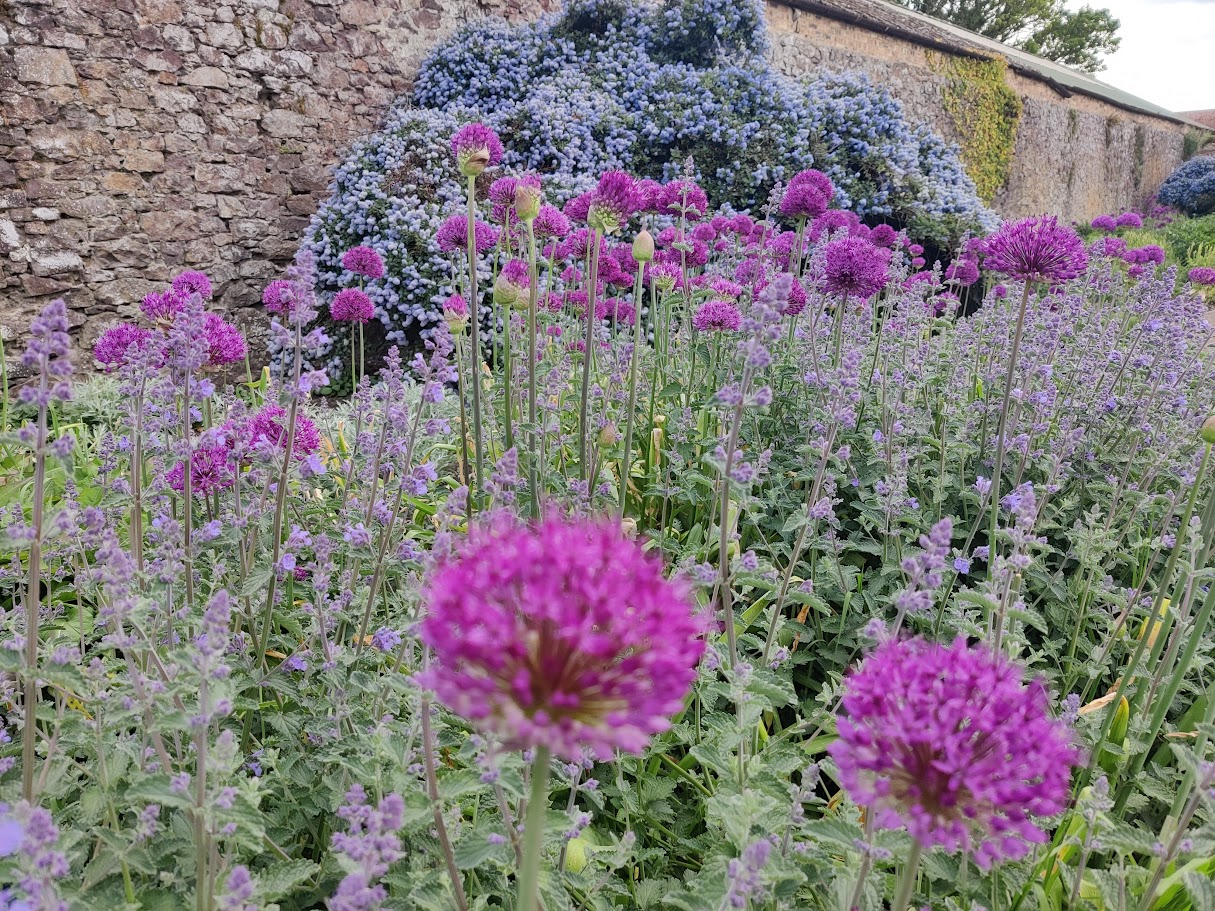
By late spring, alliums introduce height and architectural presence. Varieties such as Allium christophii and Allium ‘Purple Rain’ add sculptural interest and combine beautifully with softer planting.
Grouping bulbs generously creates far greater visual impact than scattering them thinly.
For damp or meadow style planting, Fritillaria meleagris and camassia offer a naturalistic approach that works particularly well in flower meadows.
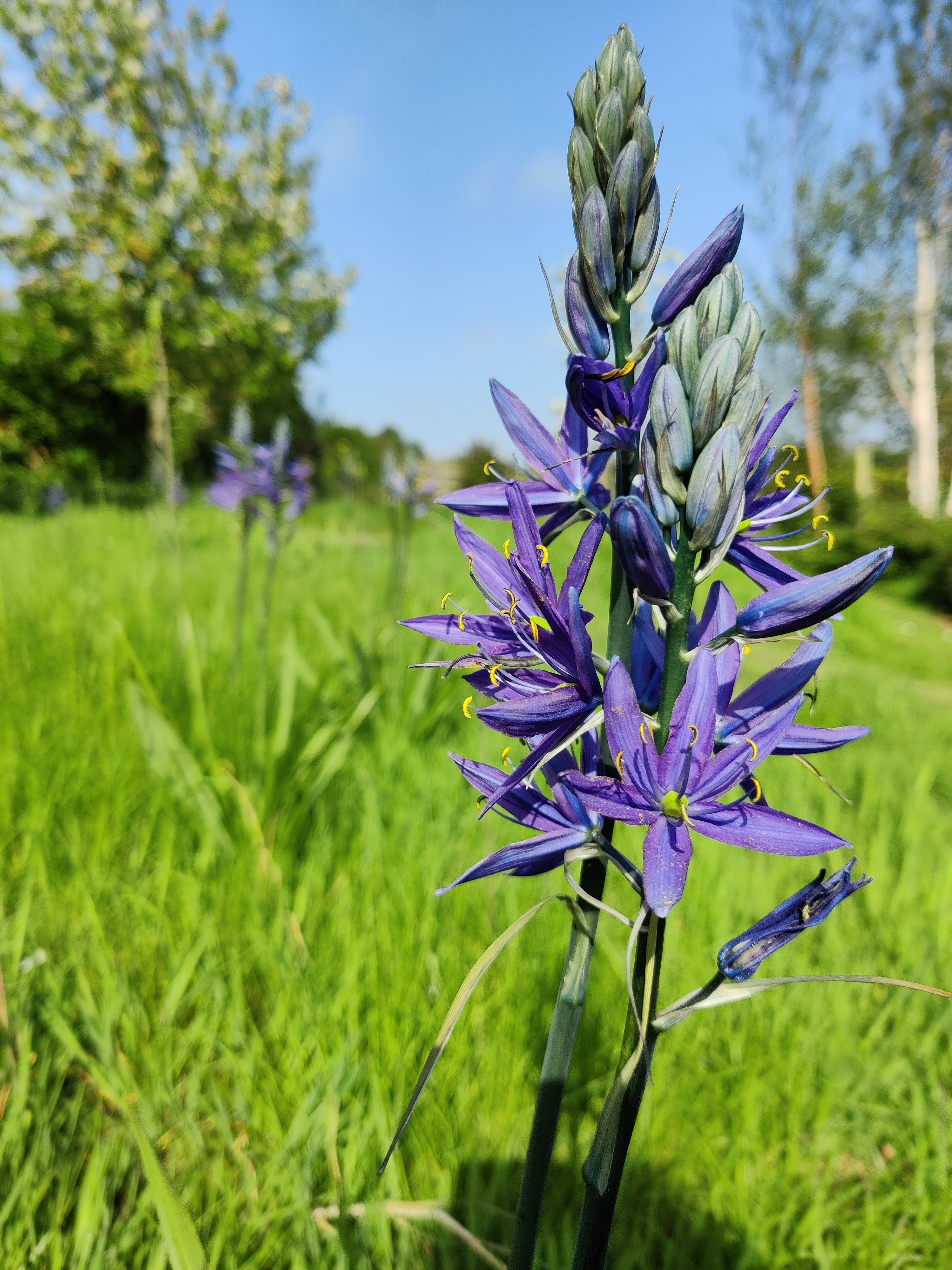 Camassia in a flower meadow
Designing for the Seasons Ahead
If your garden feels underwhelming in early spring, it may not need wholesale change.
Often it requires thoughtful layering and better seasonal sequencing.
Taking time now to review your garden and plan ahead for autumn planting can transform how it feels next year.
Well placed bulbs bring structure, continuity and a sense of considered design from the very start of the gardening year.
A garden should offer interest in every season. Spring bulbs are one of the simplest and most effective ways to achieve that.